
Washington County Arrest Records and Court Charges
Arrest records are the sheriff-side records of the booking itself. They show who made the arrest, when the booking happened, and the custody details tied to the person’s entry into jail or a detention facility.
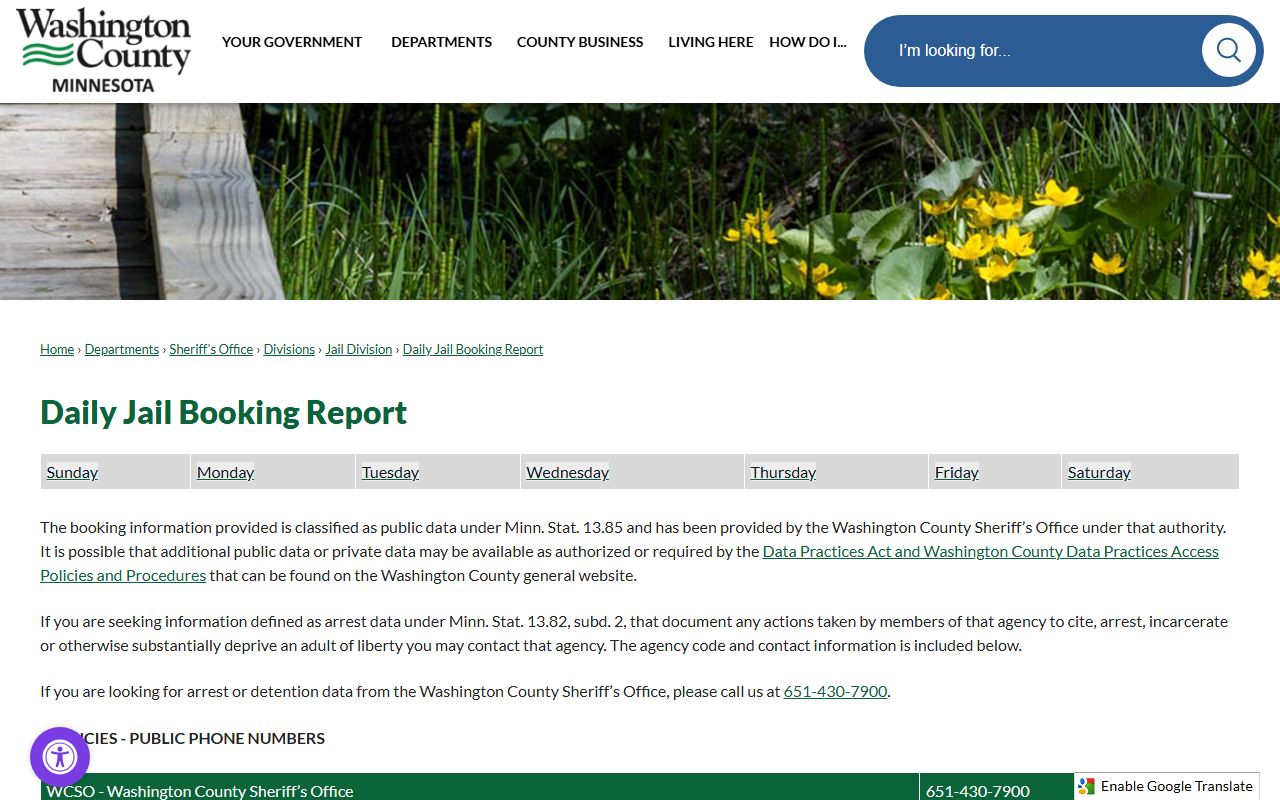
The daily booking report is the best public snapshot of the arrest side, while the court charge file takes over once the prosecutor files the case.
The court charges after arrest appear once the prosecutor files the case. Those charges become part of the criminal court record and move through the docket with hearings, pleas, disposition, and sentence.
How to Find Washington County Arrest Records and Charges
Use the inmate roster and booking report for the arrest side, then use MCRO for the filed charge side. Together they show the booking event and the court case that followed.
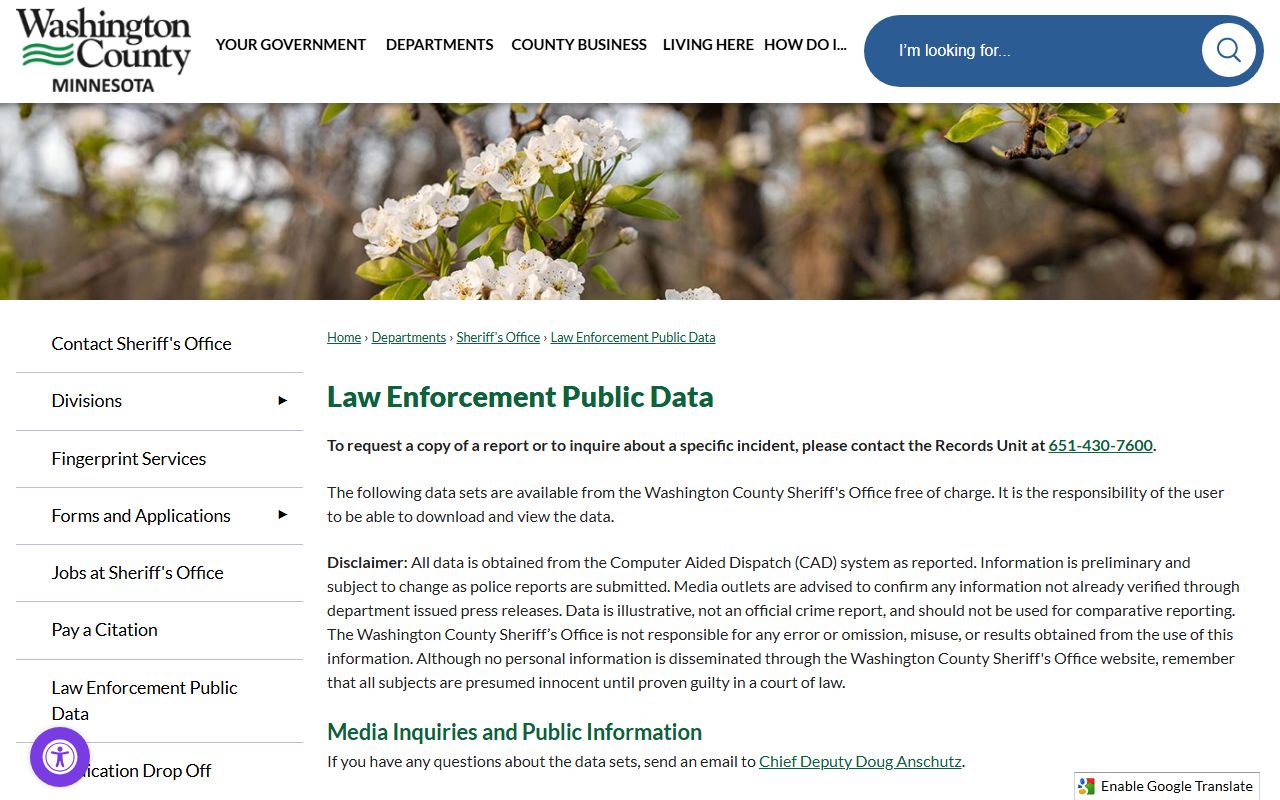
The sheriff’s law-enforcement public-data page explains how county-held arrest data is requested when a report is not shown in the standard search tools.
- Open the Washington County jail roster or daily booking report.
- Search MCRO by defendant name or case number.
- Read the filed charge list in the case detail.
- Check whether the charge was amended, dismissed, or resolved.
For a statewide criminal-history summary, use the Minnesota BCA criminal history search. It is useful for confirmation, but it is not the same as the full court file.
How Charges Get Filed After an Arrest: Complaint, Information, and Indictment
After an arrest, the prosecutor files the charging document that turns the arrest into a court case. In Minnesota that is usually a complaint, and in some matters an information or indictment is used instead.
| Complaint | Information | Indictment | |
|---|---|---|---|
| Filed By | Officer / Prosecutor | Prosecutor | Grand Jury |
| Common For | Misdemeanors | Many felonies | Serious felonies |
| Starts | The case | The case | The case |
Charge Status and What It Means
Charges can change as the case moves. A count may remain pending, be amended or reduced, be dismissed, or be dropped by the prosecutor.
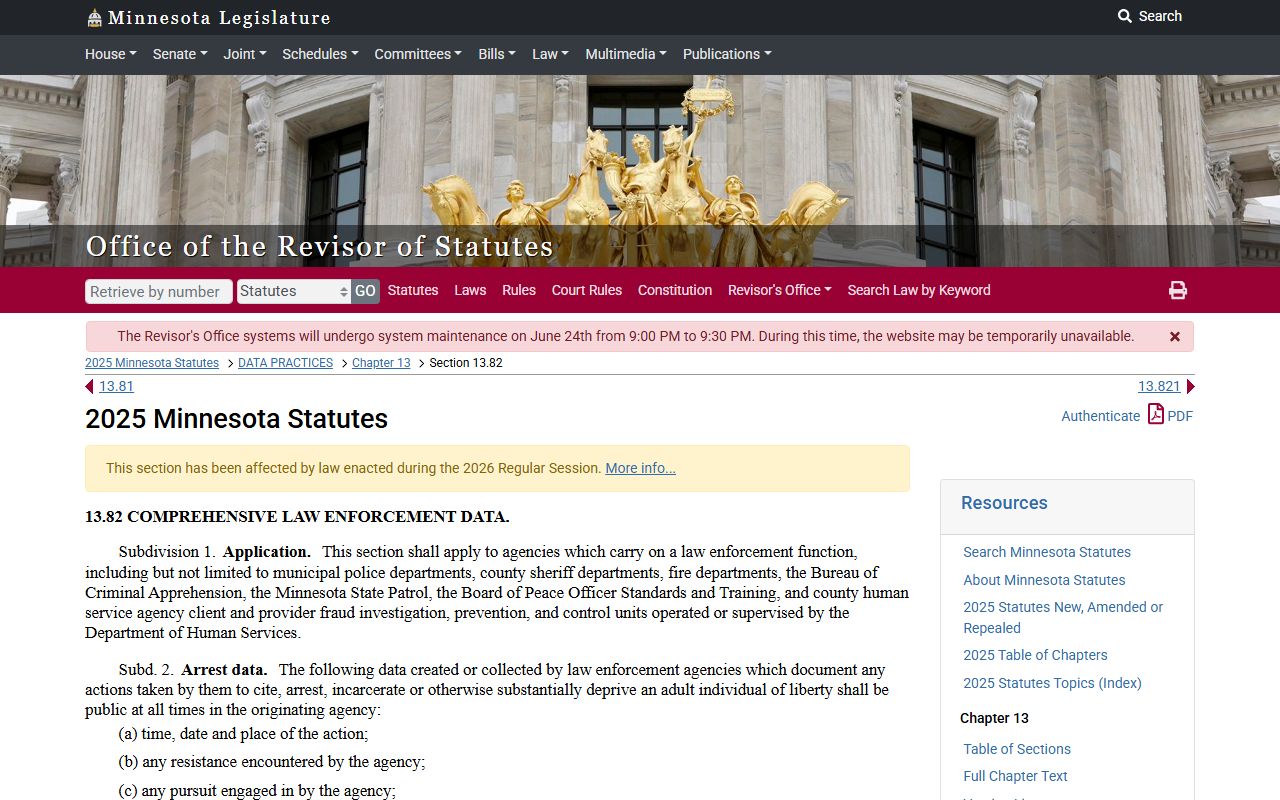
Minnesota’s law-enforcement data statute is the background rule for the arrest-side record.
| Status | What It Means |
|---|---|
| Pending | The charge is still active in court. |
| Amended / Reduced | The charge wording or level changed. |
| Dismissed | The court ended the charge without conviction. |
| Nolle Prosequi | The prosecutor chose not to continue the charge. |
Charges vs. Convictions
Being charged is not the same as being convicted. A Washington County arrest record may show the booking basis, while the court file may later show dismissal, plea, or sentence.
| Charge | Conviction | |
|---|---|---|
| Stage | Accusation | Verdict or plea |
| Burden of Proof | Probable cause | Beyond reasonable doubt |
| Public Record | Yes | Yes |
Sealed vs. Expunged Records
Sealed records are hidden from public view, while expungement is Minnesota’s process for sealing qualifying records. Neither one erases the fact that the arrest or charge occurred.
| Sealed | Expunged | |
|---|---|---|
| Visibility | Hidden from public | Destroyed / treated as never existed |
| Law Enforcement | Limited access | Very limited |
| Eligibility | [STATE-SPECIFIC] | [STATE-SPECIFIC] |
Charge Codes and Severity Levels
Charges are coded to the statute and offense level, so one arrest can produce several separate counts. Minnesota uses felony, gross misdemeanor, misdemeanor, and petty misdemeanor levels depending on the filing.
Statewide Charge and Criminal History Lookups
The Minnesota BCA public criminal history search is the statewide summary tool. It is helpful for a broad criminal-history check, but it does not replace the court case file.
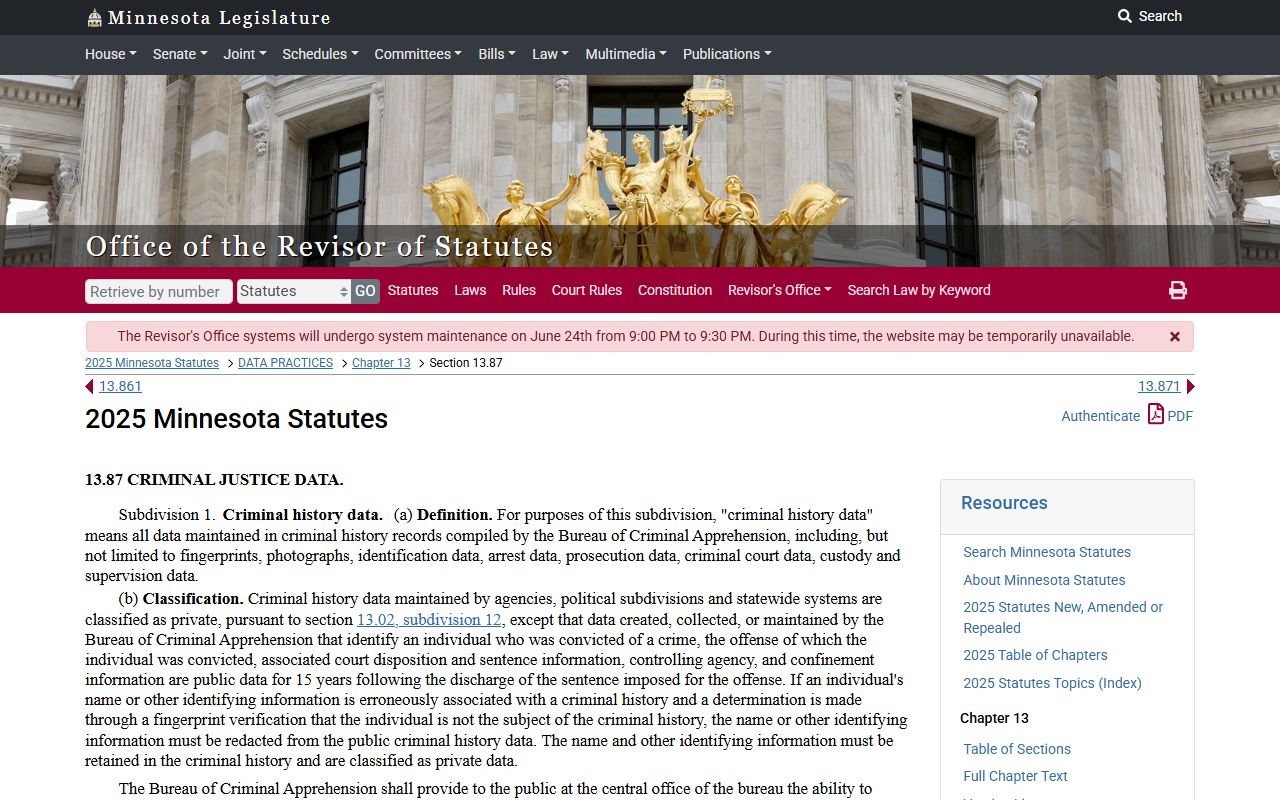
State criminal-history data is governed separately from jail booking data.
Background Check Considerations
A casual arrest or charge lookup is not the same thing as a consumer background check. Use the public court and criminal-history tools for records research, not employment or tenant screening.
Important: This site is a public reference site, not an FCRA-regulated consumer reporting agency.
Restricted Charge Records in Washington County
Juvenile charges, sealed matters, and records tied to active investigations may be restricted or hidden from remote access. Some files remain in court even when they do not show in a standard online search.